What is letterboxing?
The activity of Letterboxing originated on Dartmoor – it was started in 1854 when James Perrott of Chagford set up a small cairn at Cranmere Pool on north Dartmoor. Inside he put a glass jar where visitors who had ventured to the lonely, bleak spot could leave their visiting cards.
Over time, hikers on the moor began leaving letters or postcards in boxes placed along the trail — giving the activity its name. The next person to find the box would collect the postcards and post them on.
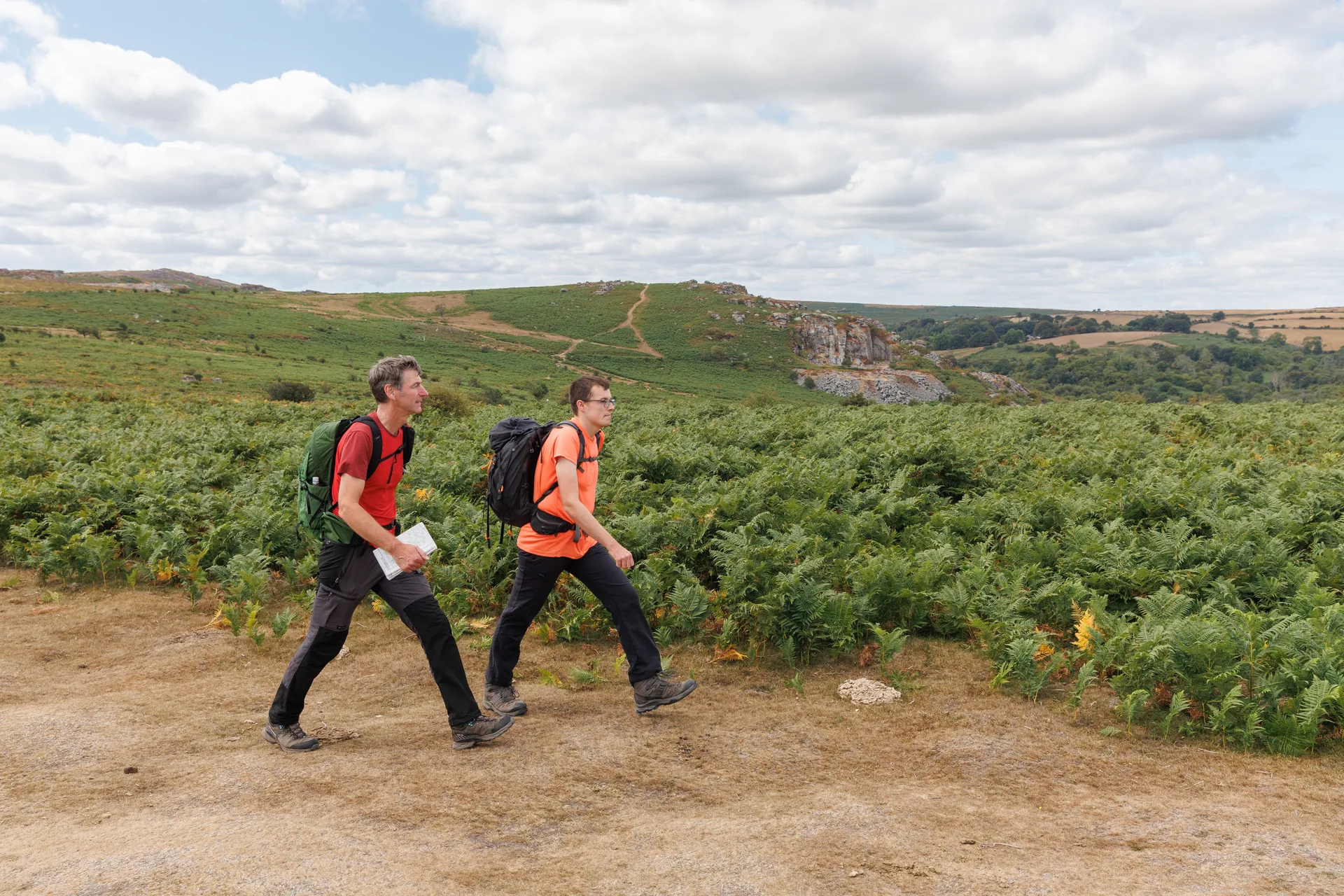
Letterboxing combines orienteering with treasure hunting and puzzle solving and is a great way to introduce children and young people to the joys of exploring Dartmoor and improve navigation skills.
How do I get started?
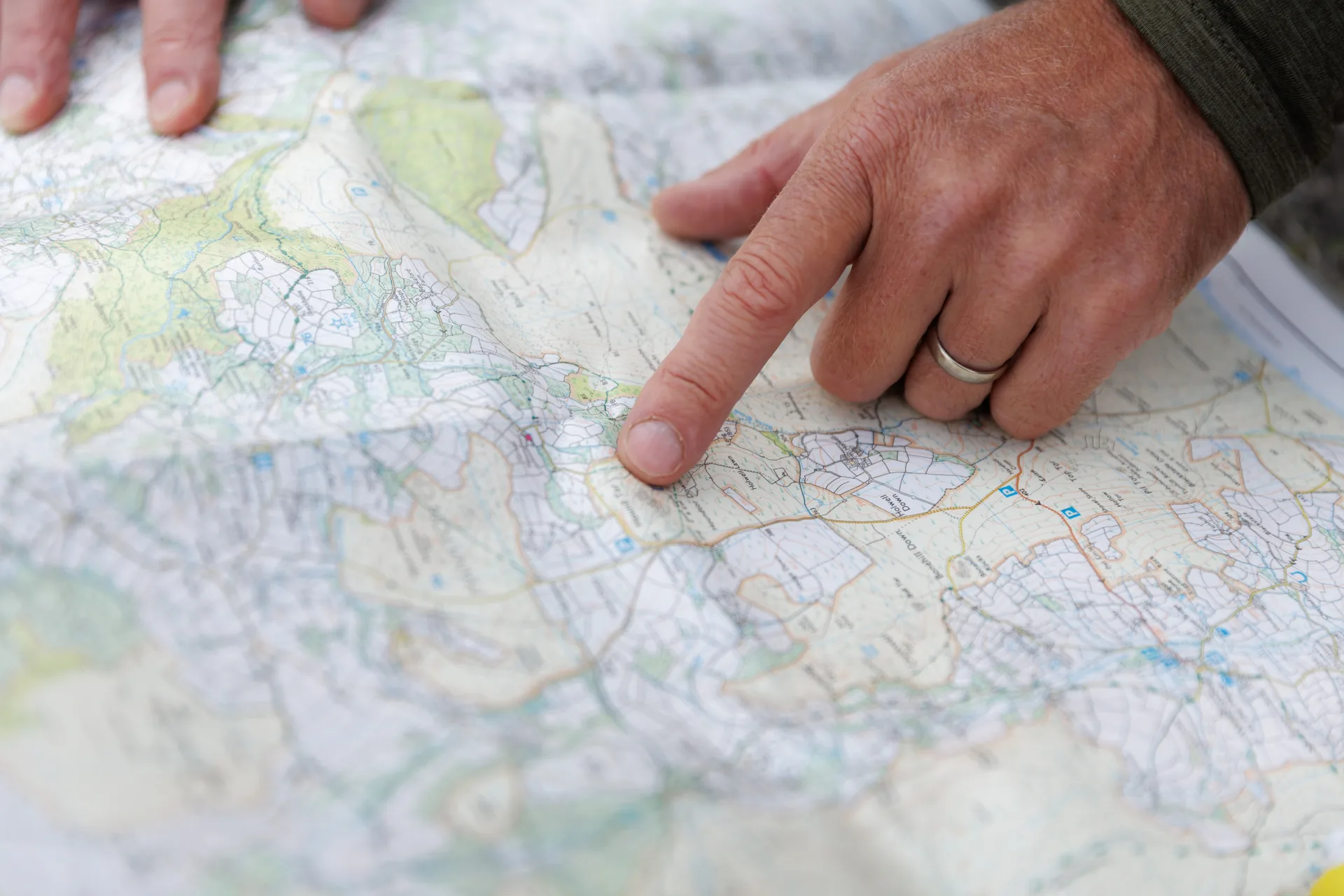
If you want to know more or plan to site your own letterbox walk, more information can be found on the official letterboxing website.
What is geocaching?
Geocaching is a similar activity to letterboxing, but you use GPS and maps to hunt out the hidden caches.
How do I get started?
Visit the geocaching website to find out about caches on Dartmoor. Registration is free.
Geocaching website (opens in a new tab)-
To find the co-ordinates and clues for your nearest caches – the quickest way is to enter a postcode. Choose which ones you want to bag and then download or enter the co-ordinates manually into your GPS receiver.
-
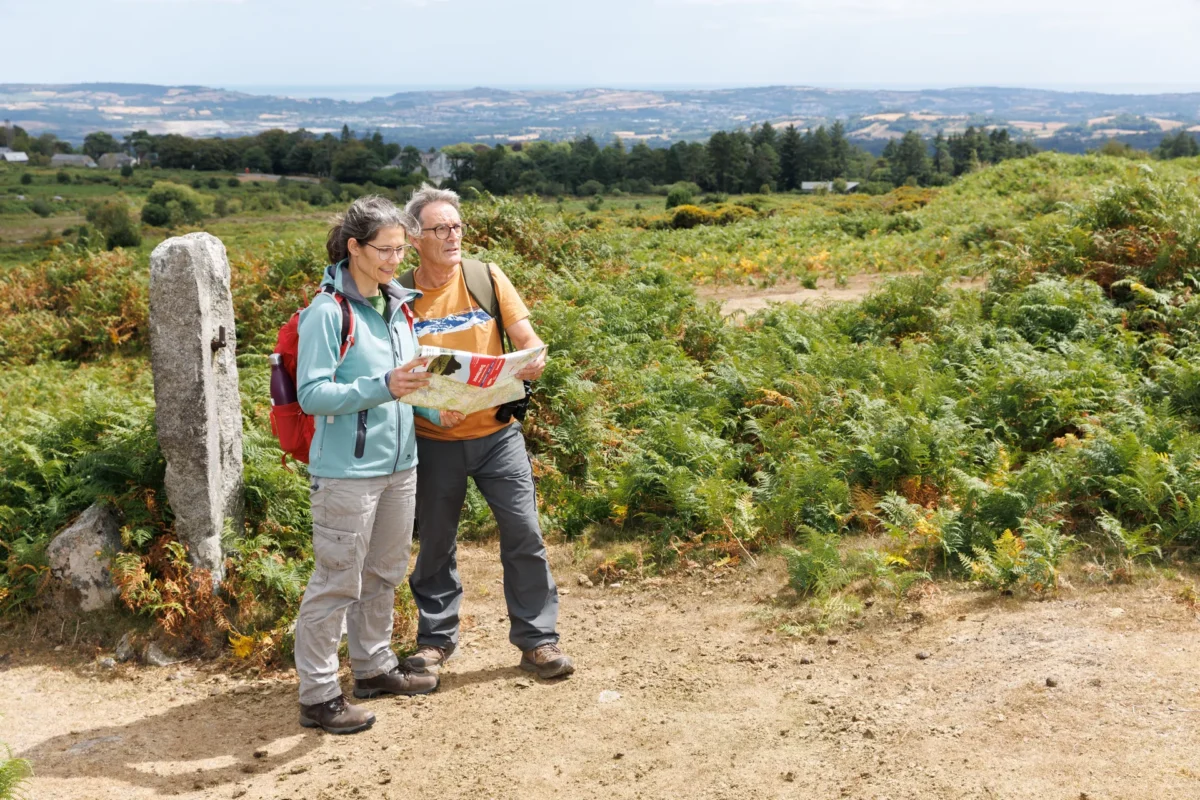
Check out the best way to get to the location using an Ordnance Survey map (OL 28 for Dartmoor) and then off you go!
-
If you find a cache (and some are very hard to spot) there are often trade items in them that you can swap and a logbook for you to record your visit. You can also log your visit online.
Geocaching guidelines
-
When placing a geocache, make sure there is a public right of access
-
Position caches so they do not disturb sensitive wildlife or archaeological sites
-
Maintenance of the cache is the responsibility of the placer
-
Clearly mark the cache and give your contact email address/other contact method
-
Only include items inside the cache that are safe and acceptable
-
No food or drink of any kind should be placed in the cache
-
Do not cross fences, walls or hedges when placing or hunting for a cache
-
Do not bury the cache in a hole, or animal run
-
Do not disturb or damage any Scheduled Monument or Site of Special Scientific Interest
-
Do not leave the cache inside a polythene bag – they are dangerous to grazing animals
-
Avoid key ground nesting bird nesting areas and follow the Ranger Code