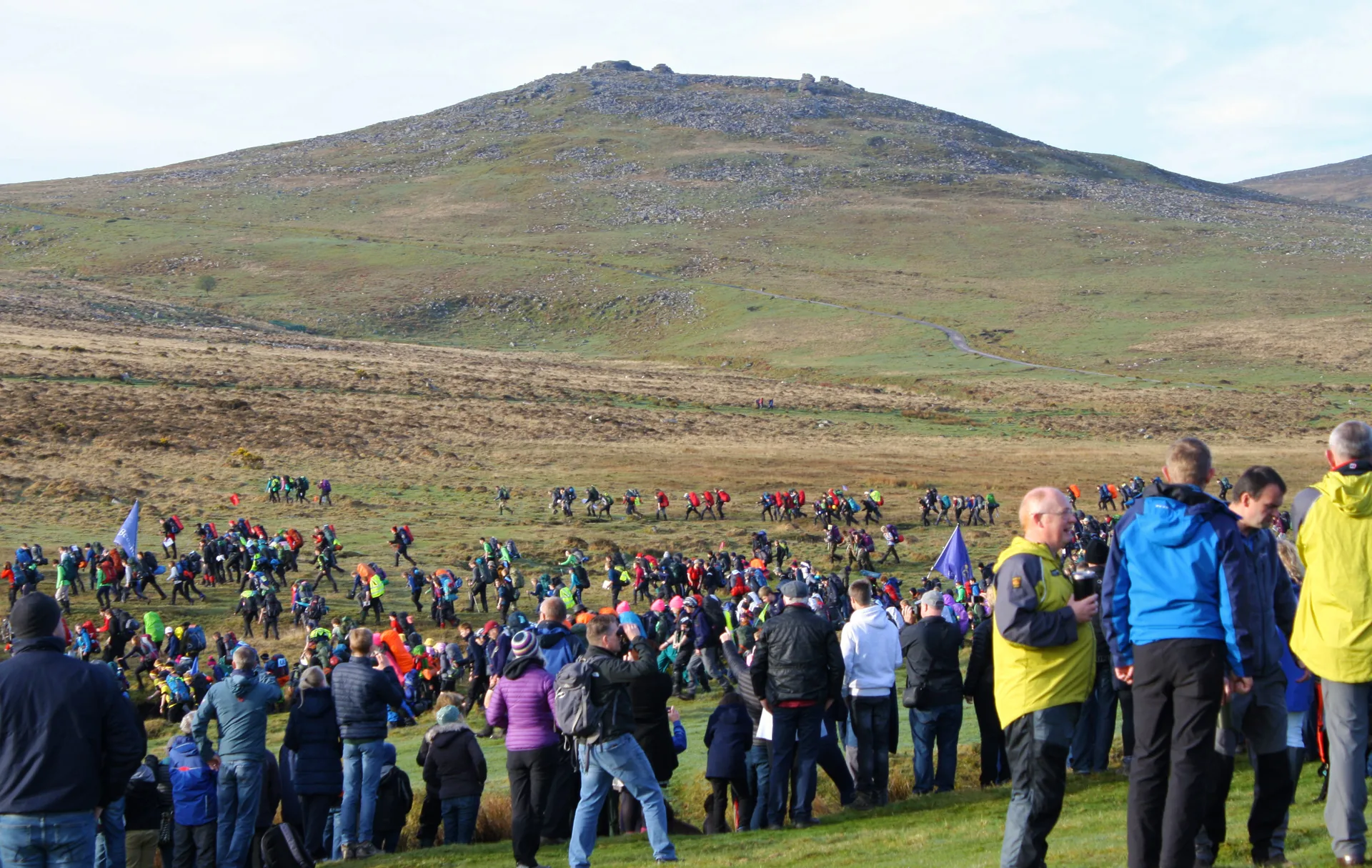
Ten Tors on Dartmoor
For generations, the Ten Tors Challenge has been one of the most iconic events associated with Dartmoor.
The challenge
Held each year on the moor, the challenge sees teams of young people navigate demanding routes across rugged terrain, testing their endurance, teamwork, navigation skills and self-reliance.
The event has become a rite of passage for thousands of participants from across the South West and is widely recognised for the confidence, resilience and sense of achievement it inspires.
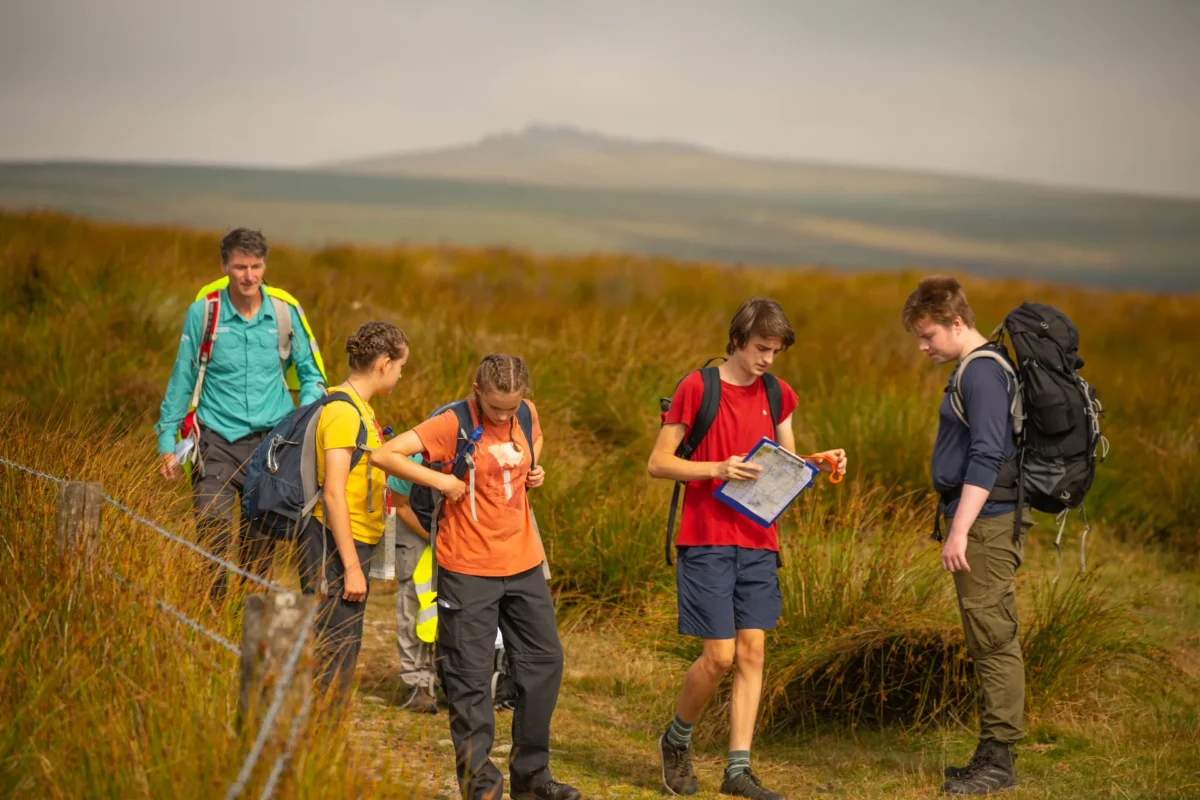
The Jubilee Challenge
Alongside the main Ten Tors Challenge, the Jubilee Challenge enables young people with a range of physical and educational needs to experience the rewards of navigating and travelling across Dartmoor as part of a team.
Together, these events make Ten Tors one of the largest and most significant youth adventure challenges in the UK.
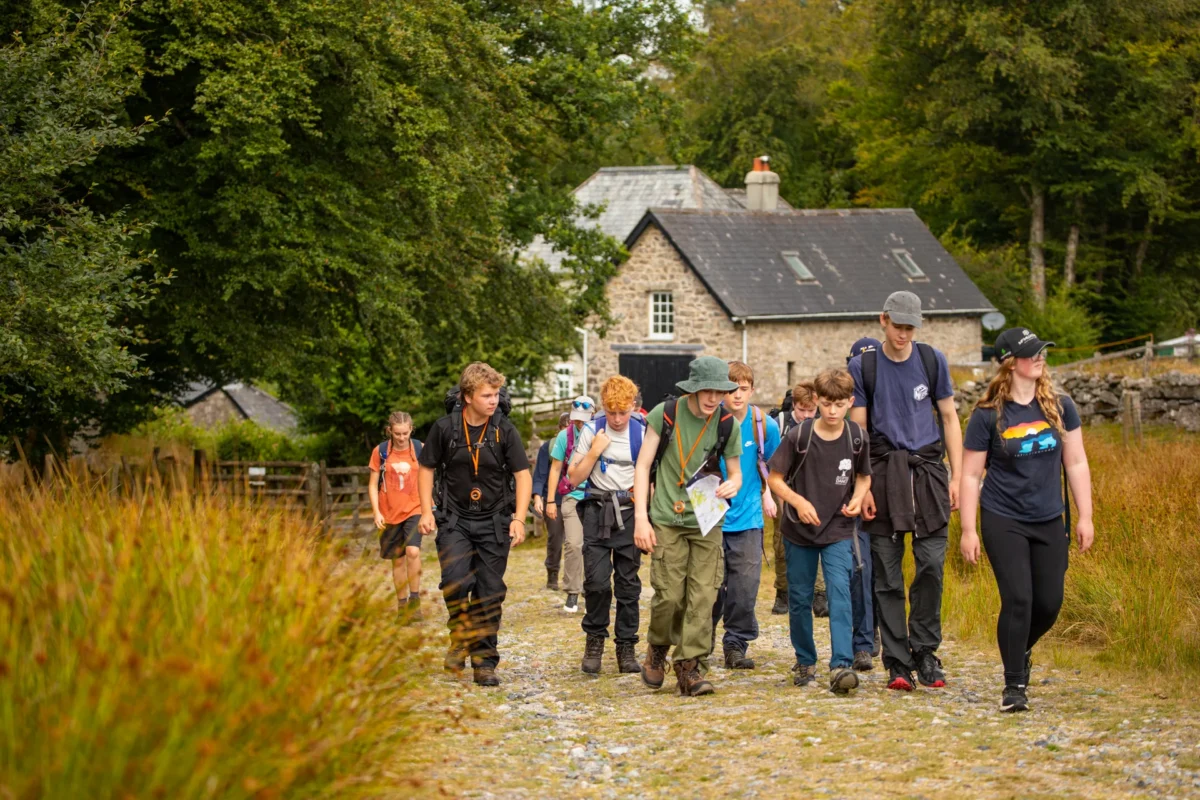
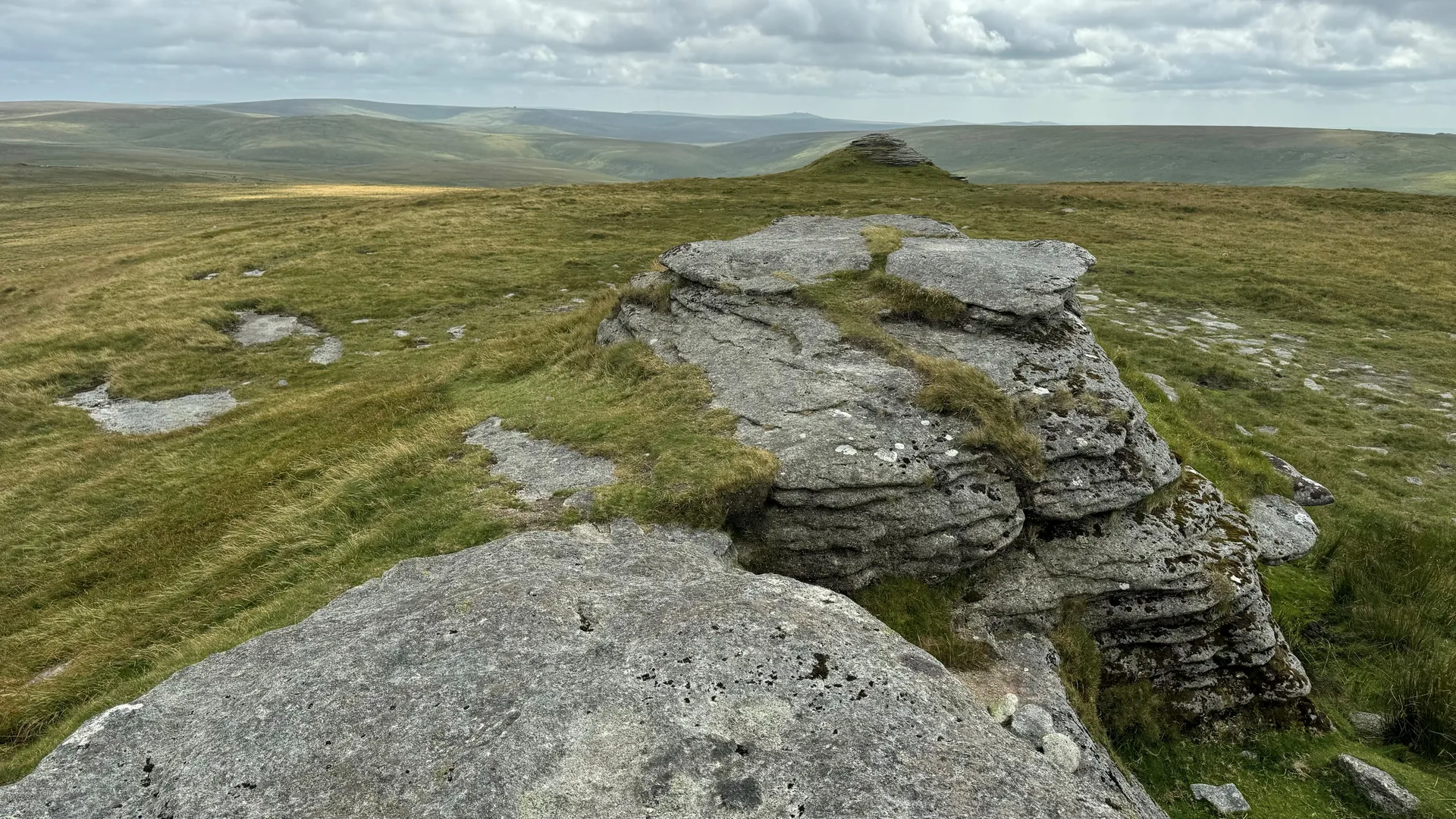
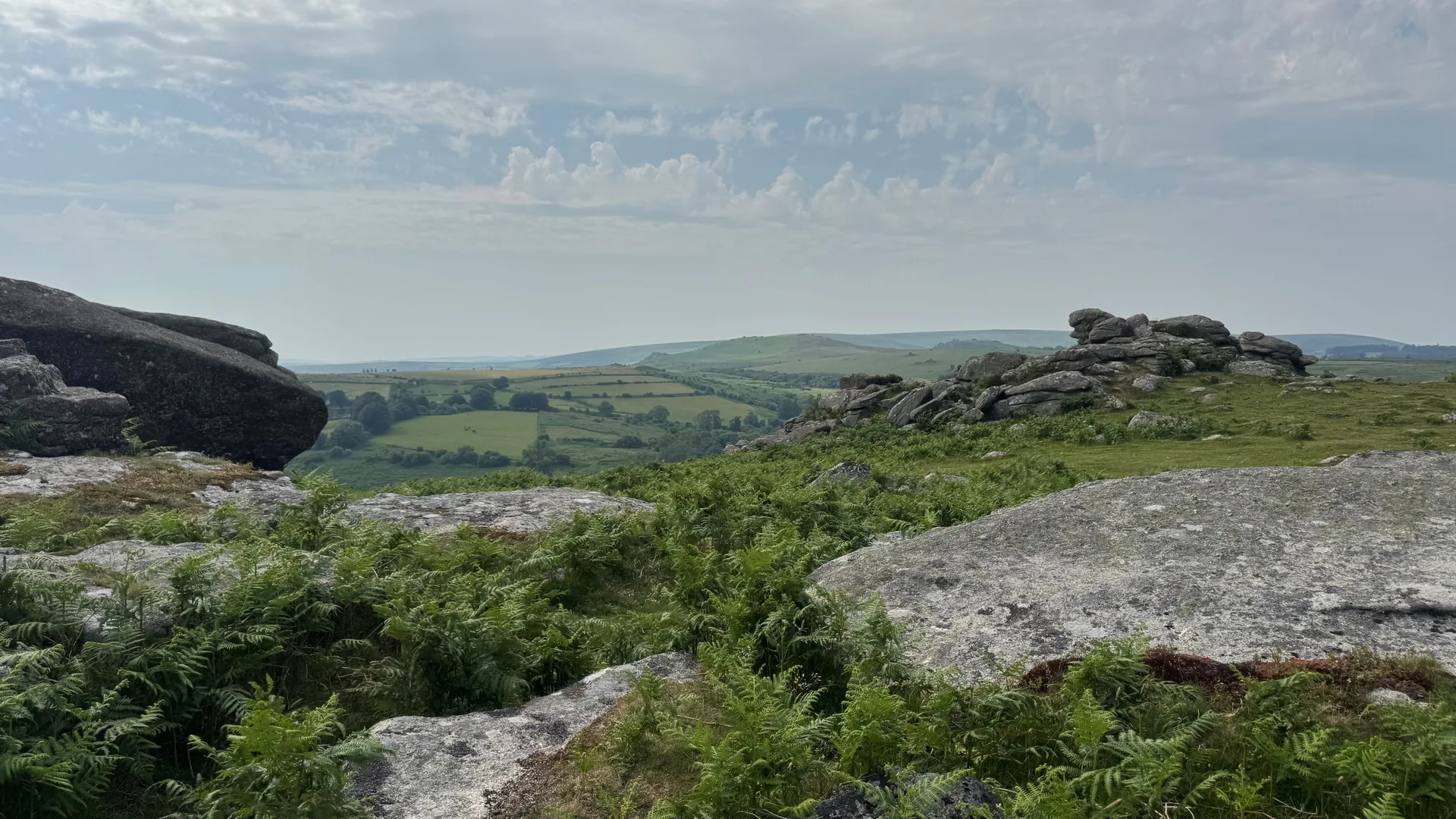
Dartmoor provides a unique setting for the challenge.
for adventure and personal development, while participants are encouraged to respect the National Park’s wildlife, cultural heritage and working landscape.
Ten Tors top tips
Dartmoor National Park Authority works closely with event organisers to help protect Dartmoor’s special environment and to ensure participants can enjoy and learn from this remarkable landscape for generations to come.
Don’t disturb the birds
The open moorland provides an important breeding area for ground nesting birds, but if they get disturbed, they can abandon their nests or young. Make sure you know where the rare bird nesting areas are and plan your route to avoid them from 1 March – 31 July.
Watch out for bogs
Our high moorland blanket bogs are a nationally important carbon reserve and an important store for water. We’re working to protect these precious resources and need your help.
During your Ten Tors adventure avoid disturbing any of the peat barriers used to block the gullies that are draining the blanket bog.
Find out more about protecting Dartmoor’s blanket bogs.
Be prepared for any weather
When conditions are challenging and visibility is terrible you need to be able to:
- find where you are on the map
- take a compass bearing
- walk your group in a straight line from one known point to the next.
Although the weather can be harsh on Dartmoor, these conditions are exceptional. We normally have better weather and reasonably good visibility, which makes navigating on the high moor much easier. In good weather you can exercise a lot more skill when deciding your routes across the moor.
Become a weather expert; if the weather deteriorates dramatically, you might need to change your route.
An easy-to-cross little stream may become an impassable river after a burst of rain.
A hard frost will make the going firmer and faster but will increase your risk of slipping and falling.
A wet month will make some areas very difficult to cross altogether.
On a very windy day sticking to a route on the sheltered side of the ridge will be far less exhausting than walking on top.
Use your map
A straight line is rarely the best way from one point to the next. Use your eyes to see your destination if you can.
Check what types of vegetation you will be crossing. You may be looking at heather, gorse, grass, bogs or rocky clitter. Each presents its own problems for walkers, and you’ll need to understand the challenges. Always take your group the easiest and least tiring way.
What’s the shape of the land? It’s much easier to contour around a valley then to plunge across it. Your weary group may not thank you for steep uphill climbs.
When you have to walk on a bearing, use short navigation lengths. Nobody can keep to a straight line for very long, so small errors can rapidly become big mistakes.
Aim for linear features such as streams, walls and tracks – they are much easier to see than find on a map. When you arrive at a landmark like this you can use it to work out which way to turn and they can then guide you to your next destination.
A careful reading of your map will tell you a lot about the vegetation and the shape of the land you are about to cross. Add in your knowledge of the weather conditions to choose your route.
There are lots of hardened tracks on the high moor. Use them when you can as they are easier and safer to walk along, but don’t stop navigating while you’re on them; you can easily be led for miles down the wrong path.
Agree who will be the group leader
One member of the group needs to take the lead at any given time. Make sure all group members are aware of who is taking the lead and when the responsibility is handed over to another person.
The fittest, fastest walker is not necessarily the best map reader.
Carefully examining the map and taking care and responsibility are signs of a good leader; and not necessarily a sign of being lost, or a reason to start panicking.
If weather conditions get worse take more time and care to read the map properly.
Even the best navigators make mistakes, but only those with true grit and skill will recognise and correct their mistakes quickly and not allow pride or tiredness to cloud their judgement.
The Ten Tors Challenge is organised by the Army.
For official information about the event, including participation, training requirements, routes, event guidance and visitor information, please visit the official Ten Tors website.