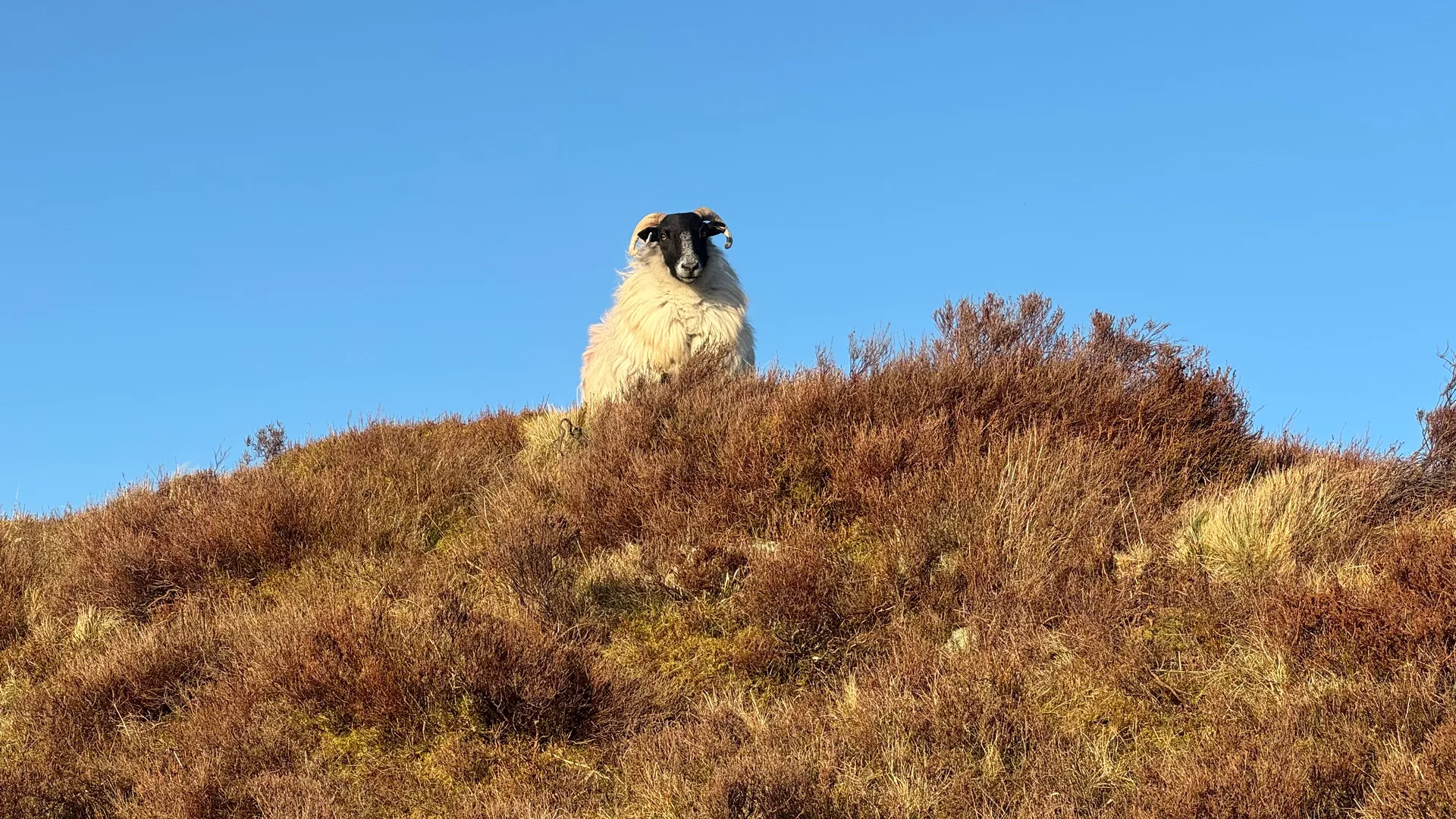
Commons are privately owned spaces with ‘rights of common’ over that land, mostly to graze animals.
First enshrined in law in the Magna Carta in 1215, common land traditionally sustained the poorest people in rural communities who owned no land of their own, providing them with a source of wood, bracken for bedding and pasture for livestock.
Commoning
Commoning is an ancient land management practice that builds on principles set out in the Magna Carta.
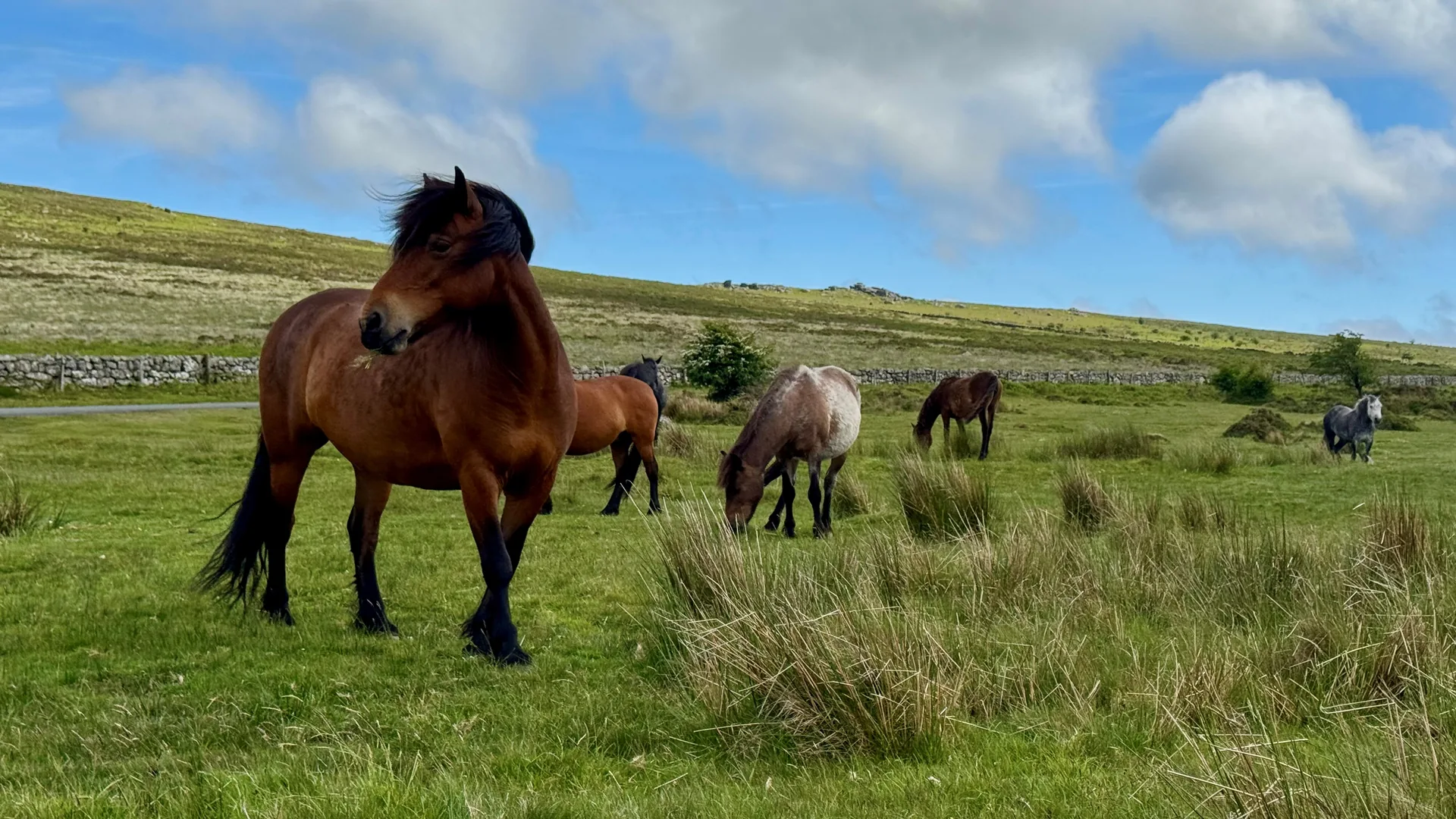
It involves a group of farmers, from one or two, to over 100, having ‘commoners rights’ to graze their animals on a shared piece of unenclosed, semi-natural areas of vegetation – the common.
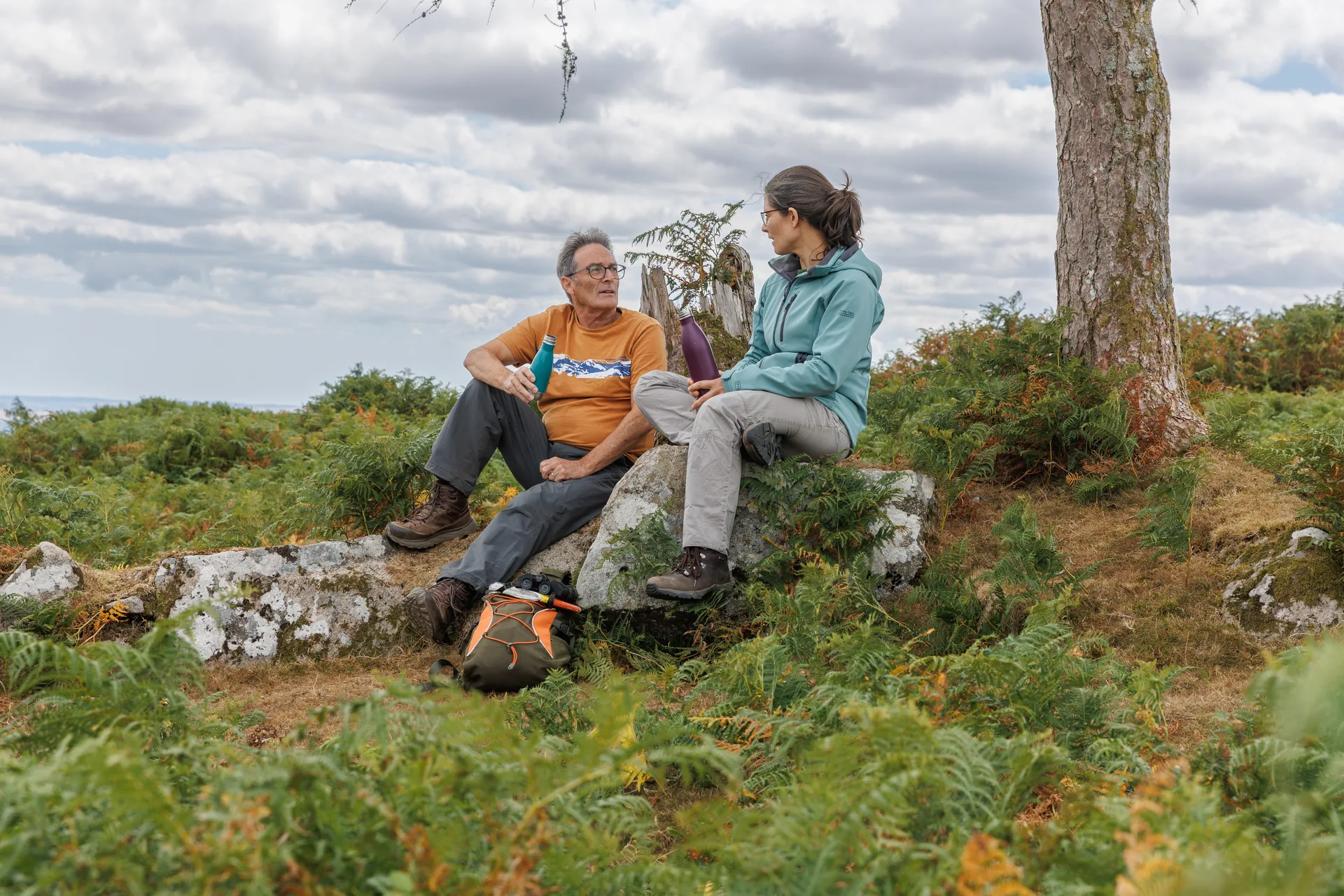
There are around 850 registered commoners on Dartmoor, though not all are active graziers. There is a right of access to almost all common land where the unenclosed nature offers a sense of escape, enjoyment and freedom.
Common land
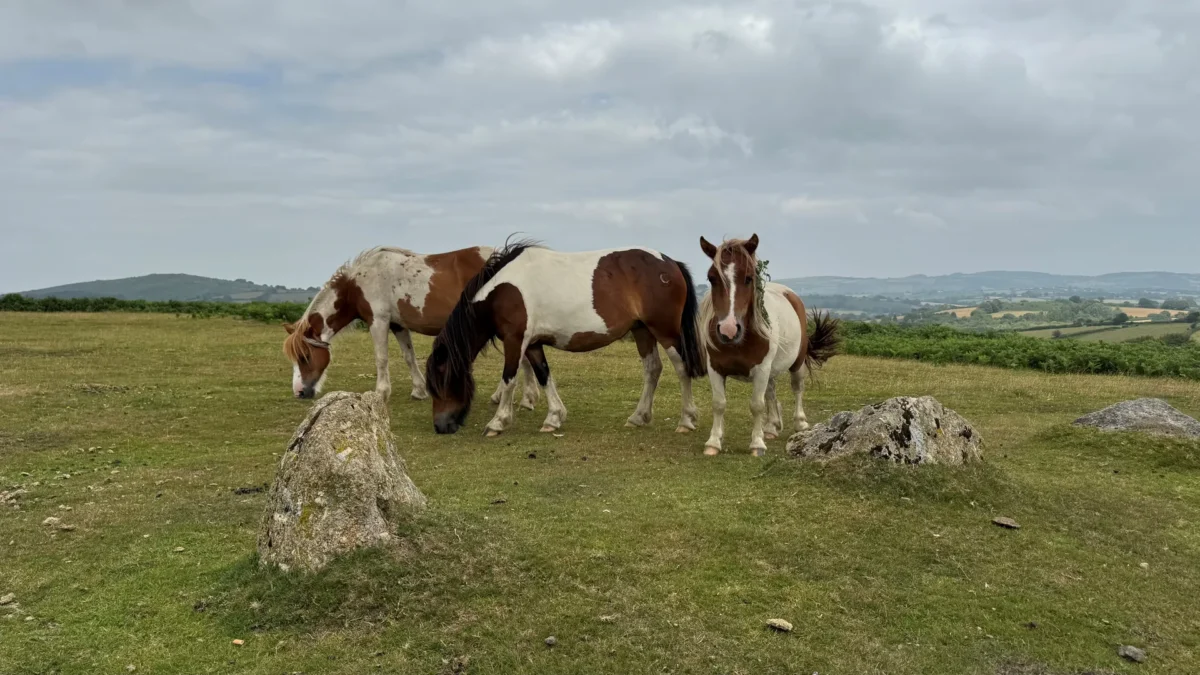
Dartmoor National Park covers an area of 95,000 hectares (ha), roughly two-thirds the size of greater London. This includes 46,000ha of moorland and, within that, approximately 36,000ha of registered common land.
Most have no physical boundaries so, without shepherding, animals can move freely between them.
Dartmoor Commoners Council
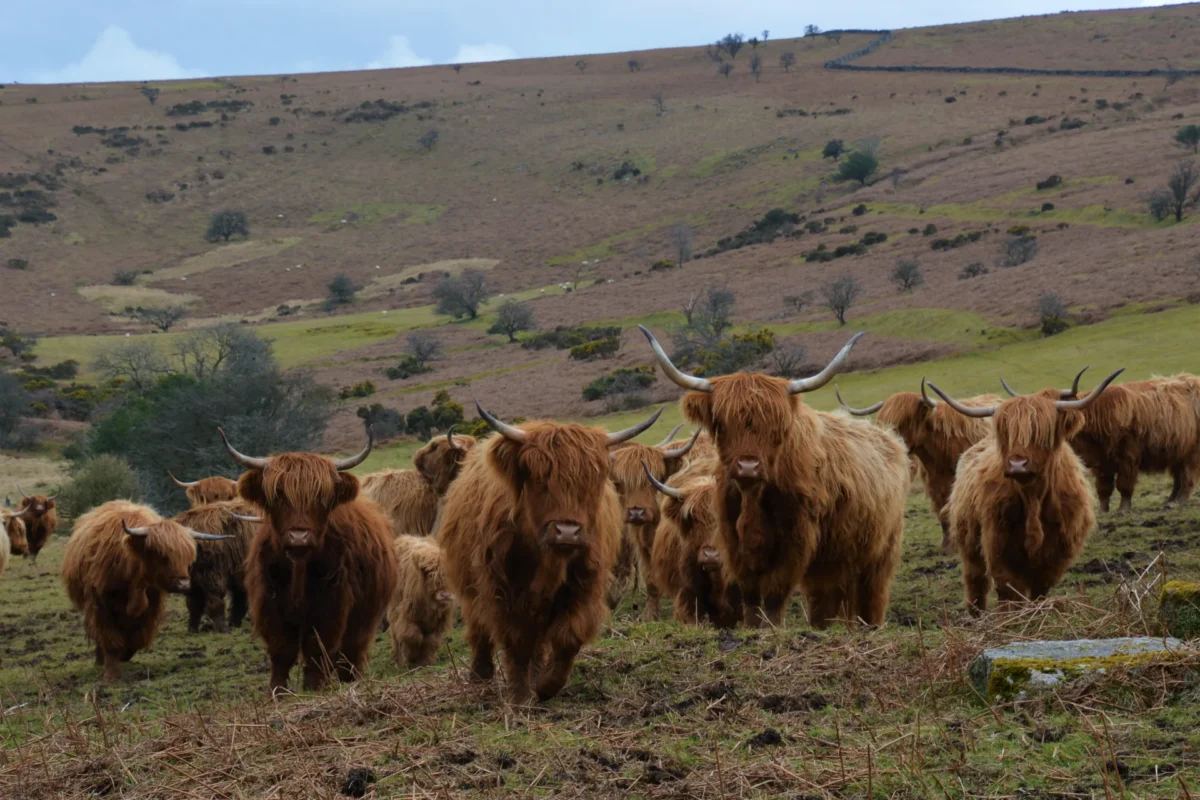
The Act also created the Dartmoor Commoners’ Council which is responsible for maintaining and promoting good livestock care on the commons.
The council also works to protect the landscape and its use as a place of recreation and enjoyment.
Follow the links to find out more information.

-
Registered commons
There are 92 separate registered commons mostly bordering the central high ground of the Forest of Dartmoor which is the largest common on the moor at 11,200ha.
-
Commons owners
There are 54 commons owners on Dartmoor. The largest is the Duchy of Cornwall, which has owned the Forest of Dartmoor and some adjacent commons since 1332.
-
Other owners
Others include us as the National Park Authority, the Ministry of Defence, National Trust, Natural England, private individuals and families, other non-governmental organisations and water and mining companies.
-
Protected status
Many commons are designated as Sites of Special Scientific Interest (SSSIs) and have international recognition as a Special Area of Conservation (SAC).
The Dartmoor Commons Act 1985
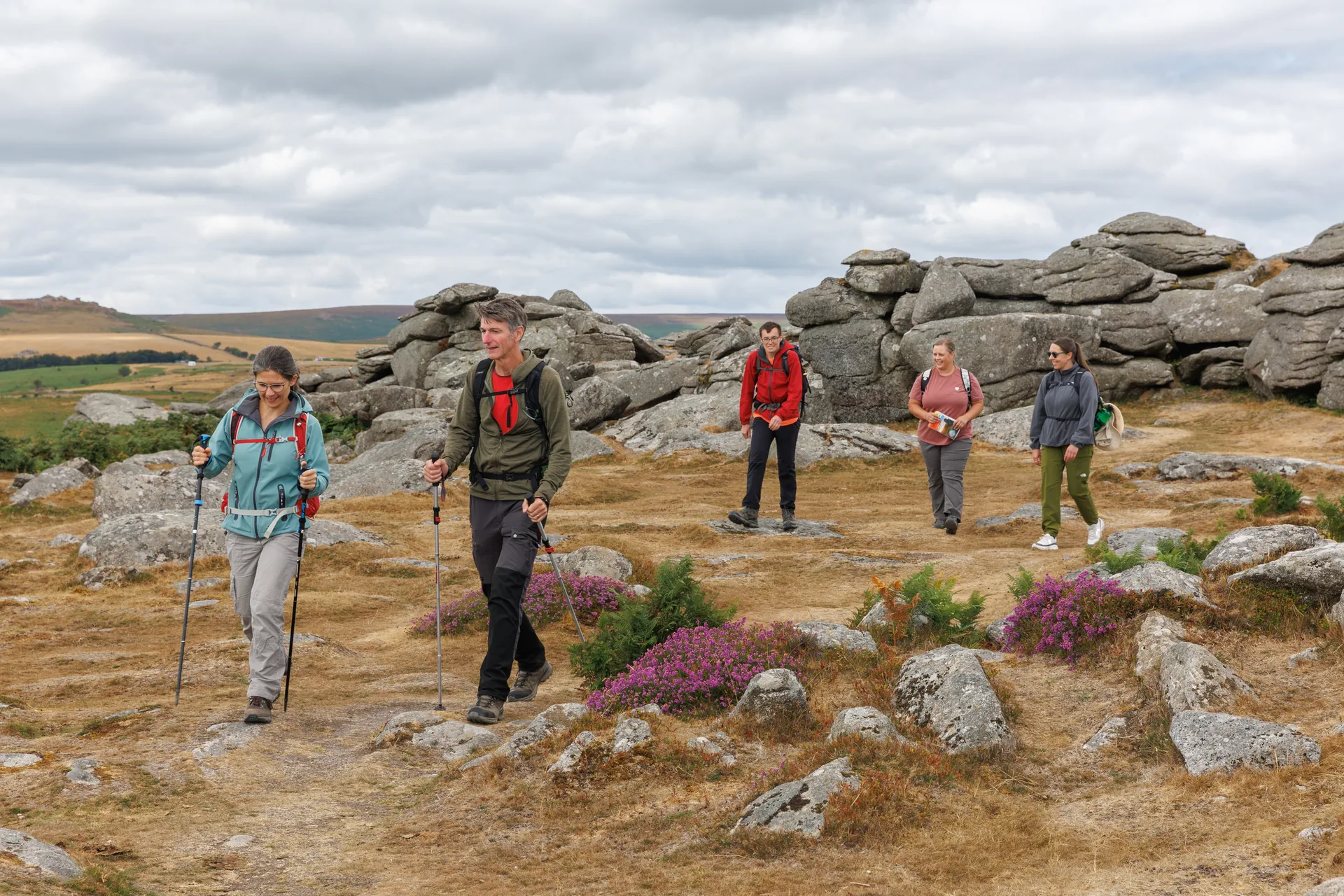
This right of access on foot and horseback is set down in the Dartmoor Commons Act 1985 and is clarified by the National Park bylaws. Their purpose is to provide a framework for safe and sustainable enjoyment of open-air recreation, respecting the rights of landowners and protecting Dartmoor for future generations.
-
Dartmoor Commoners Council
-
National Park Byelaws
Policies and governance
Link to the Authority’s policies and governance pages to be added once the Authority website is ready.